Container infrastructure, standardized
Infrastructure that ships like cargo.
Containr unifies physical shipping containers and software containers in one industrial-grade platform. Build, deploy, and orchestrate workloads across ports, vessels, edges, and clouds — with the same discipline that standardized global trade.
How it works
From steel to software, one pipeline
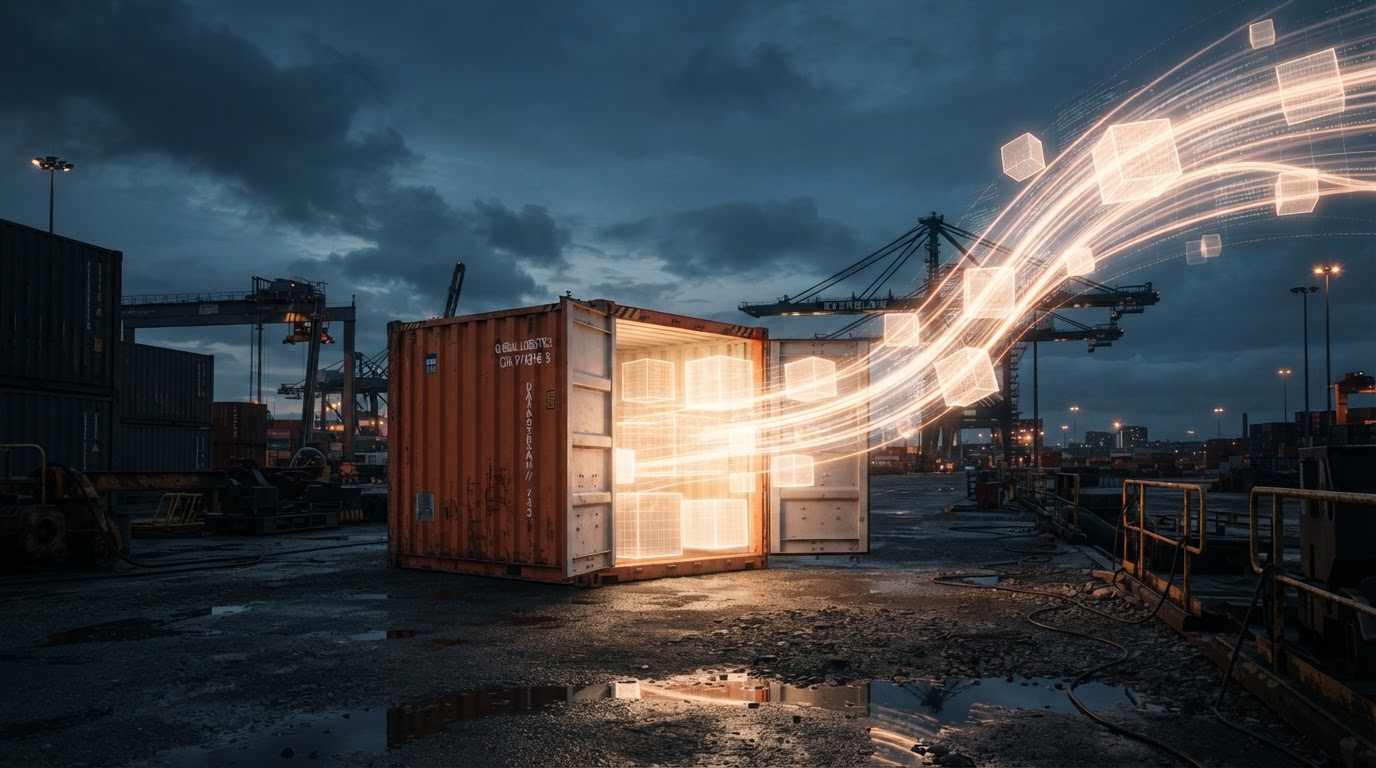
Containr models the entire journey — a container is an object whether it holds machinery or microservices. Three steps, zero surprises.
Physical containers, digitized
Scan, register, and track real shipping containers as first-class objects — ID, position, condition, and contents become queryable data.
One control plane
Steel boxes and software containers live in a single platform. Same identity model, same scheduling logic, same audit trail.
Deploy everywhere
Push workloads to clusters in ports, on vessels, at the edge, or in any cloud — with instant rollback if conditions change.
The platform
Modular by design. Stackable by default.
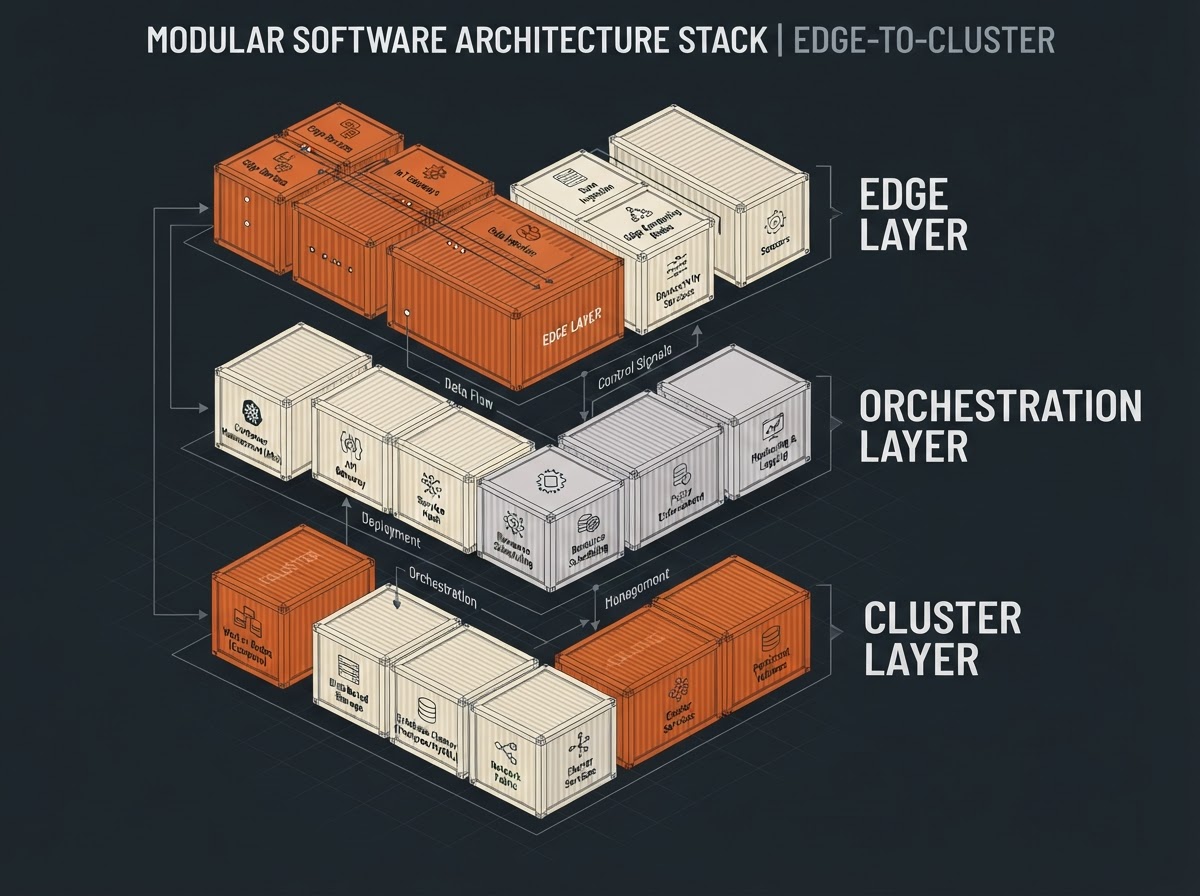
Every Containr module is a self-contained unit that locks into the rest of the stack — adopt one, or stack them all.
Why Containr
Built like infrastructure, not like software
We apply the lessons of intermodal shipping — standard dimensions, standard handling, standard tracking — to compute infrastructure. The result is a stack you can audit, stack, and scale with confidence.
99.99%
Control plane uptime
Rolling 12-month average
40ms
Median scheduling
Workload placement decision
12,400+
Clusters managed
Across 61 countries
2.4M
Deploys per month
With sub-minute rollbacks
Bolts into your existing stack
See all integrations →- Kubernetes
- Docker
- Terraform
- GitHub Actions
- GitLab CI
- Prometheus
- Grafana
- Vault
- Okta
- Datadog
Ready to ship on Containr?
Talk to our crew about standardizing your container infrastructure — from the yard to the cloud.